


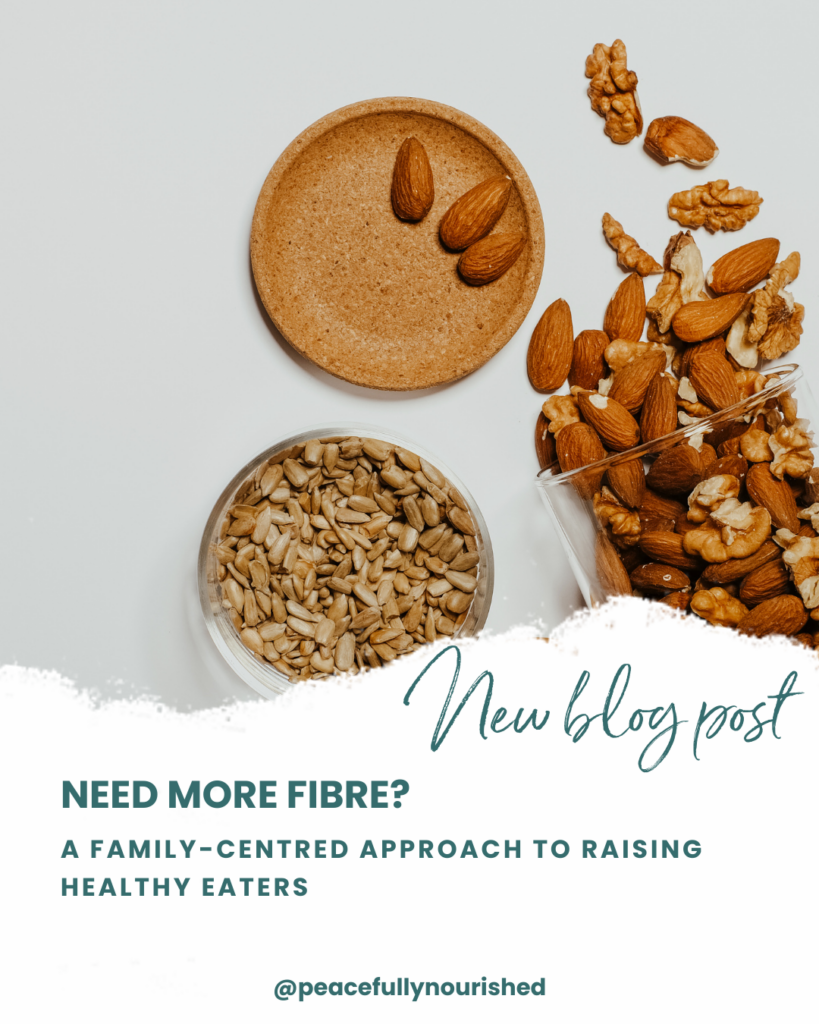
A Family-Centred Approach to Raising Healthy Eaters
If there is one nutrient most families are not getting enough of, it is fibre. From selective toddlers to busy parents. Fibre often falls short, yet it plays a major role in digestion, heart health, blood sugar control, and even long-term disease prevention. The good news is that increasing fibre does not require drastic diet overhauls. With a family-centred approach, small, consistent changes can support both your child’s health and your own.
Let’s break down what fibre is, how it works in the body, and realistic ways to get
more of it without sneaking vegetables or damaging trust at the table.
What is Fibre, Anyway?
Fibre is a type of carbohydrate found in plant foods that the body cannot fully digest. Instead of being broken down for energy, fibre moves through the digestive system and supports overall gut health, feeding beneficial gut bacteria and promoting regular digestion. There are two main types of fibre, and both play important but different roles in the body:
Soluble Fibre
- Dissolves in water and forms a gel-like substance in the digestive tract
- Slows digestion, which helps with feeling full for longer periods
- Helps regulate blood sugar by slowing the absorption of carbohydrates
- Binds to cholesterol in the gut, helping lower LDL cholesterol levels
- Feeds beneficial gut bacteria, supporting a healthy microbiome
- Found in foods such as oats, barley, beans, lentils, apples, citrus fruits, berries, chia seeds, and flax
Insoluble Fibre
- Does not dissolve in water and passes through the digestive system largely intact
- Adds bulk to stool, supporting regular bowel movements
- Helps prevent and manage constipation
- Speeds up the movement of food through the gut
- Supports overall digestive health and bowel function
- Found in foods such as whole wheat, brown rice, wheat bran, nuts, seeds, potato skins, and many vegetables
Most plant foods naturally contain a combination of both soluble and insoluble fibre, which is why eating a wide variety of plant-based foods is so beneficial.
Why We Should Not Sneak Vegetables into Kids’ Meals
Many well-meaning parents hide vegetables in sauces, smoothies, or baked goods in hopes of boosting nutrition. While this may increase short-term nutrient intake, it can backfire in the long run.
Children are very perceptive, and when they eventually realize they have been misled, it can strain trust in the feeding relationship. This loss of trust can make children less willing to try new foods in the future. A family-centred approach focuses on transparency, repeated exposure, and offering choice without pressure. Rather than hiding foods, aim to offer them openly and consistently in a positive, low-stress environment.
5 Realistic Ways to Add More Fibre for the Whole Family
Fibre “Sprinkles” for Everyday Foods
One of the easiest ways to boost fibre is by creating your own fibre sprinkles using:
- Chia seeds
- Hemp seeds
- Ground flax * We call these sprinkles in our house. Maybe add colourful sprinkles into a mason jar to make it vibrant
Keep a small jar in your pantry and sprinkle onto:
- Toast with nut butter
- Pancakes or waffles
- Oatmeal or yogurt
- Cereal or smoothies
These seeds add fibre, healthy fats, and plant-based protein with minimal change in taste or texture.
Add Ground Flax Seeds to Sauces Without Hiding the Veggies
Ground flax blends smoothly into many sauces and dishes, such as:
- Tomato or pasta sauces
- Chili and soups
- Meatballs, lentil balls, or veggie burgers
This boosts fibre while keeping the meal familiar and acceptable for many children, especially with classic kid favorites like spaghetti.
Offer Fruits and Vegetables at the Hungriest Times of Day
Children are often more open to trying foods when they are genuinely hungry. Strategic timing can make a big difference.
Try offering:
- A fruit and vegetable tray right after school
- Raw vegetables with dip as an appetizer before dinner
When pressure is low and hunger is high, children are often more willing to explore new foods on their own terms.
Swap Refined Grains for Whole Grain Gradually
Small, slow substitutions are often more successful and better accepted:
- White bread to multigrain or whole-grain bread
- White pasta to whole-wheat or blended pasta
- White rice to brown rice or quinoa
If your family is used to refined grains, start by mixing half refined and half whole grain to ease the transition. But also remember you can stick with your preferred grains and add fiber in other ways to the plate.
Make Fibre a Visible Part of Family Meals
Children learn what feels familiar and normal by watching the adults around them. When parents regularly enjoy beans, lentils, vegetables, whole grains, and fruit, children are more likely to accept these foods over time.
Family meals built around shared exposure, role modelling, and low pressure are powerful tools for supporting long-term healthy eating habits.
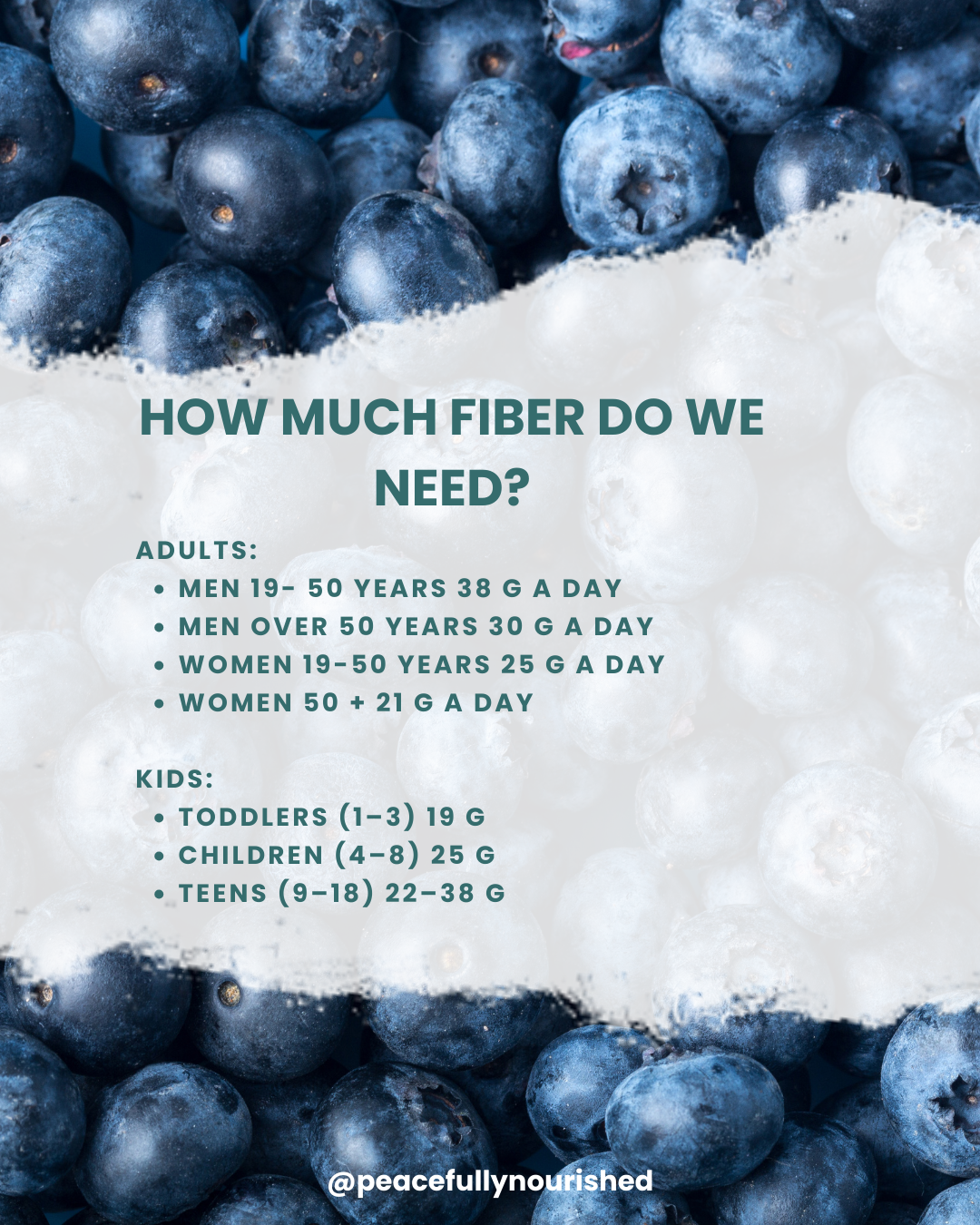
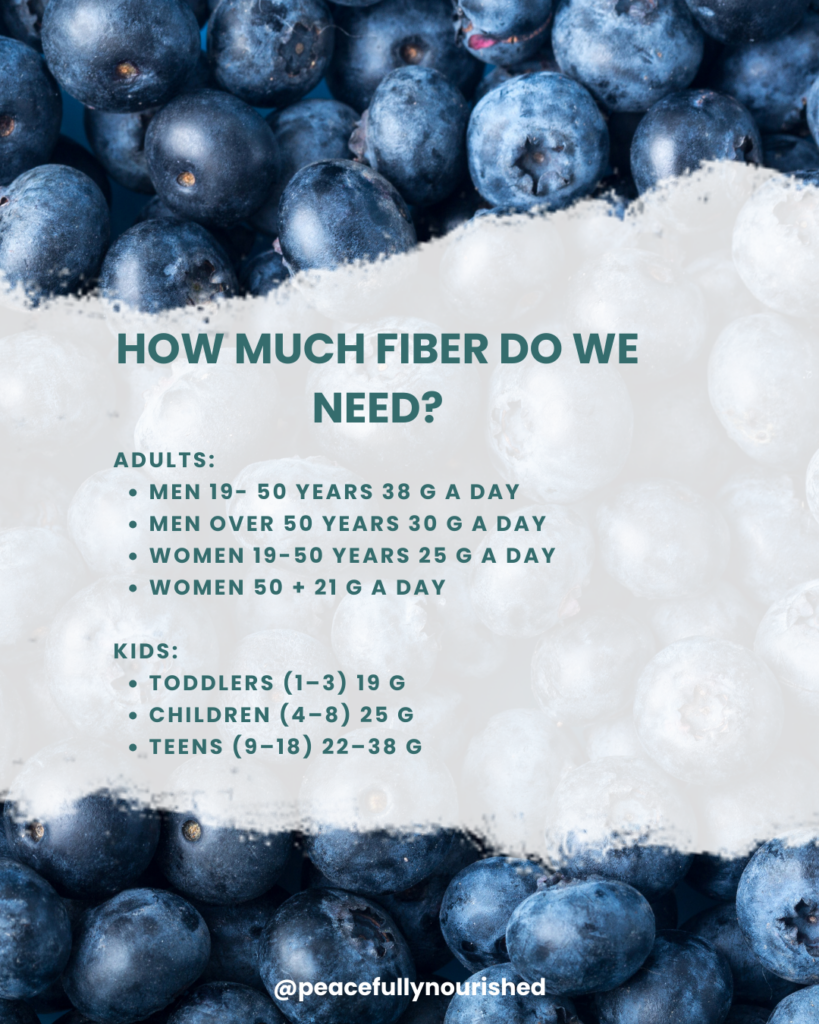
How much Fiber do I need in a day?
This is such a a common question I get asked. Below is a guide to help you set some intentions around. Remember to take an addition approach. What can you add to a meal or snack you are already having to boost your fiber intake.
A Gentle Reminder: Start Low and Go Slow
When increasing fibre intake, it is important to do so gradually and to drink enough fluids throughout the day. Increasing fibre too quickly can cause bloating, gas, or stomach discomfort, especially for children.
What feels doable to add for you and your family? Let me know how this lands.


leave a comment
share
share
share
share
share