


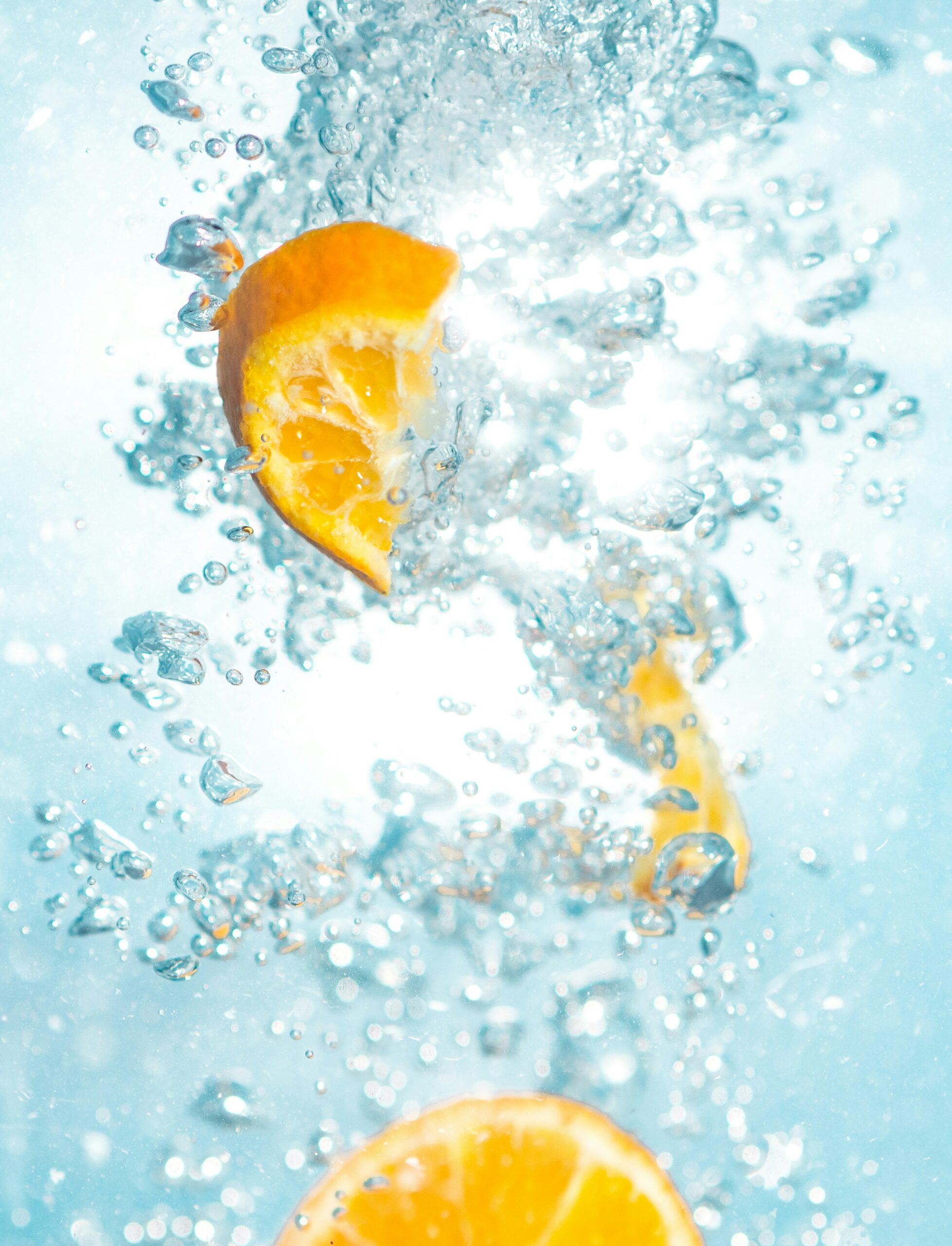
Hydration is one of those wellness topics that sounds simple. Just drink water, right? But once you start hearing about electrolyte powders, hydration multipliers, and “optimal absorption,” it can quickly feel more complicated than it needs to be.
How much fluid do adults actually need?
Fluid needs vary from person to person, but a general guideline is about 2.7 liters per day for women and 3.7 liters per day for men (from all fluids and foods). That includes water, coffee, tea, milk, and even water-rich foods like fruits and vegetables.
A good rule of thumb? Check your urine color! A pale yellow usually means you’re well hydrated.
How do we lose fluids?
We’re constantly losing fluids throughout the day through:
- Sweat (especially during exercise or hot weather)
- Urine
- Breathing
- Digestion
If you’re more active, sick, or spending time in heat, your fluid needs go up.

What about electrolytes?
Electrolytes like sodium, potassium, and chloride help regulate fluid balance and support muscle and nerve function. And yes, your body does need some electrolytes (and even a bit of sugar) to absorb fluids efficiently, especially during prolonged or intense exercise.
But here’s the thing: Most people already get enough electrolytes from food.So, are electrolyte powders necessary? Short answer: for most people, no.
Electrolyte powders are often marketed as essential for hydration, but they’re really designed for specific situations like endurance athletes, heavy sweaters, or people losing fluids due to illness (e.g., vomiting or diarrhea). For the average person doing light-to-moderate activity, water and a balanced diet do the job just fine.
One reason I’m not a big fan of many electrolyte powders is their high sodium content. Most health guidelines recommend keeping sodium intake below 2,000 mg per day for general health. But some electrolyte packets contain 500–1,000 mg of sodium in a single serving—that’s ¼ to ½ of your daily recommended intake in just one drink. And many brands suggest having multiple servings per day. That adds up quickly.
For most people, hydration doesn’t need to come from a packet. Instead try:
- Plain water throughout the day
- Water-rich foods like watermelon, cucumber, oranges, and strawberries
- Milk or herbal teas for variety
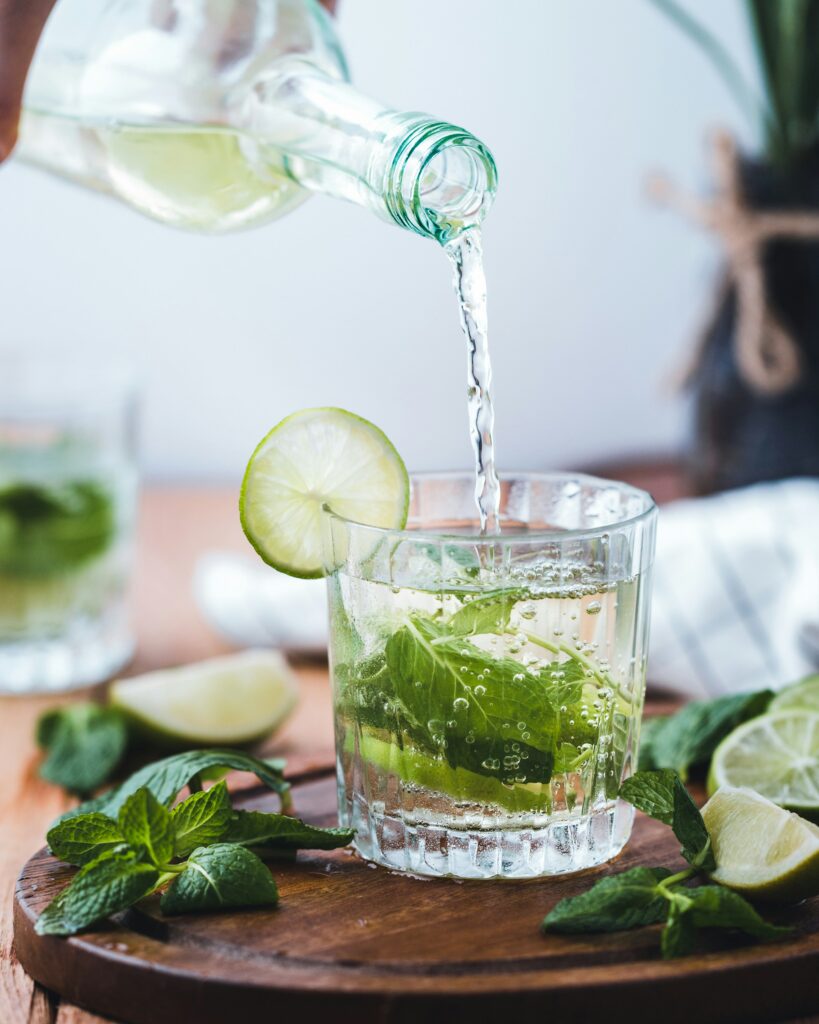
And if you want to make things a bit more interesting try fruit-infused water. Infused water is an easy, low-sodium way to boost flavor and make hydration more enjoyable:
- Lemon + mint + cucumber (super refreshing)
- Strawberry + basil
- Orange + blueberry
- Lime + watermelon
- Apple + cinnamon stick (great in colder months)
Let it sit in the fridge for a few hours and you’ve got a naturally flavorful drink without added sugars or excess sodium.
The Bottom Line
Do you really need electrolyte powders likely not. Hydration doesn’t need to be another wellness trend to keep up with. For most people, consistently drinking fluids throughout the day and eating a varied diet provides everything your body needs to stay hydrated. Fancy powders and hydration mixes have their place, but that place is often much smaller than marketing would have us believe.
Instead of worrying about finding the “perfect” hydration product, focus on what helps you drink enough fluids in a way that feels realistic and enjoyable. Keep a water bottle nearby, sip on tea or milk if you enjoy them, add fruit to your water for a little extra flavour, and pay attention to your body’s cues. Sometimes the simplest habits really are enough.
Your body is remarkably good at telling you what it needs. You don’t need another expensive supplement to stay hydrated—you just need permission to keep it simple.


leave a comment
share
share
share
share
share