

If you’ve spent any time around diet culture, you’ve probably absorbed the idea that snacks are either “good” or “bad.” That language is rigid, moralizing, and honestly not that helpful. Food isn’t a reflection of your character. Instead of sorting snacks into moral categories think about them as nourishing and/or satisfying. Snacks are an essential way to feel more nourished throughout your day.
Sometimes a snack provides lasting energy and keeps you full for hours. Sometimes it just tastes good and gets you through the task at hand. Often, it does both. None of those outcomes require judgment.
Why Snacking Is Normal (and Often Necessary)
For many people, eating every 3-4 hours supports steadier energy, more stable blood sugars, and better focus. Your brain relies on a continuous supply of glucose, so long gaps without food can make concentration, mood, and patience feel harder than they need to be.
If you’re aiming to eat consistently throughout the day, snacks aren’t “extra.” They’re part of the plan.
It’s also completely normal to feel hungry again even if you “just ate.” Hunger shifts day to day depending on sleep, stress, hormones, movement, and emotional load. Your body is not a machine with identical needs every 24 hours. There is no perfect eating rhythm to master. There’s only responding to what your body is communicating today.
Many people carry shame around snacking because dieting taught them that eating between meals signals a lack of control. In reality, structured snacks often prevent extreme hunger later on.
Snacking isn’t “giving in.” It’s responding to biology. There is no award for white-knuckling your way to the next meal. Help yourself feel more nourished throughout your day with sancking.
What makes a Snack Feel More Satisfying?
While there’s no single best snack, combining at least two food groups often helps with staying power. Pairing carbohydrates with protein or fat can support both immediate energy and longer-lasting fullness.
That might look like fruit and cheese, yogurt and granola, toast with nut butter, or crackers with hummus. The carbohydrate offers accessible energy, while protein and fat slow digestion and extend satisfaction.
But this is a gentle framework, not a rule. If all you have access to is one food, that still counts. A snack doesn’t need to be perfectly balanced to be valid.
And let’s make this clear, snacking does not have to be hard. Choose a prepackaged snack! Packaged snacks are not “drenched in chemicals.” All food is made of chemicals.
Convenience foods can:
- Reduce decision fatigue
- Save time
- Support consistent eating
- Help during busy or low-capacity days
A yogurt cup. A granola bar. A cheese string and an apple. Crackers from your desk drawer. If the alternative is skipping food altogether, the packaged snack wins every time.
Grazing vs. Intentionally Snacking
Grazing often looks like picking at food continuously without ever quite feeling satisfied. An intentional snack usually involves:
- Pausing
- Choosing a combination of foods
- Eating enough to bridge you to your next meal
Neither is morally better. But many people find that a more intentional snack feels steadier and more grounding than constant nibbling.
Snack Ideas (Based on Capacity)
Because effort levels change, and that matters.
Low Effort (Grab & Go)
- Cheese string + fruit
- Greek yogurt cup + cereal or granola
- Crackers + peanut butter
- Cottage cheese + berries
- Trail mix pack + banana
Medium Effort (Light Prep)
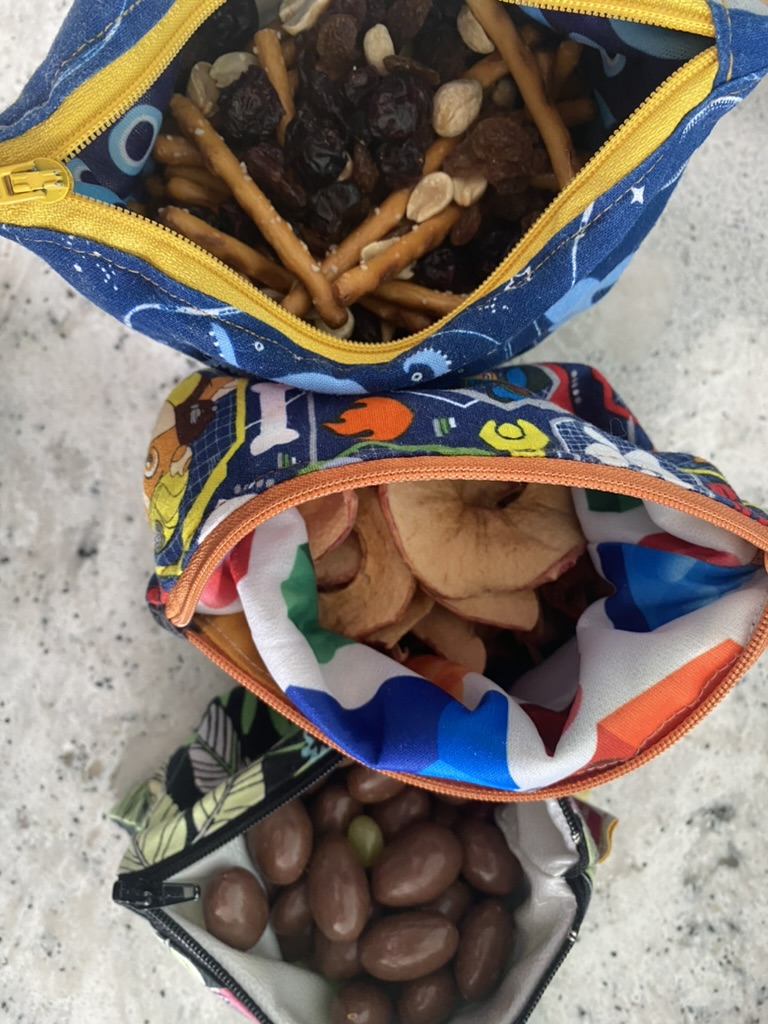
- DIY trail mix (nuts + dried fruit + cereal)
- Hard-boiled eggs + crackers
- Smoothie with milk/yogurt + frozen fruit
- Apple slices + nut butter + chocolate chips
- Toast + avocado + seeds
Higher Effort (If You Enjoy Prep)
- Batch-baked muffins
- Energy bites (oats + nut butter + seeds) (recipe on our blog!)
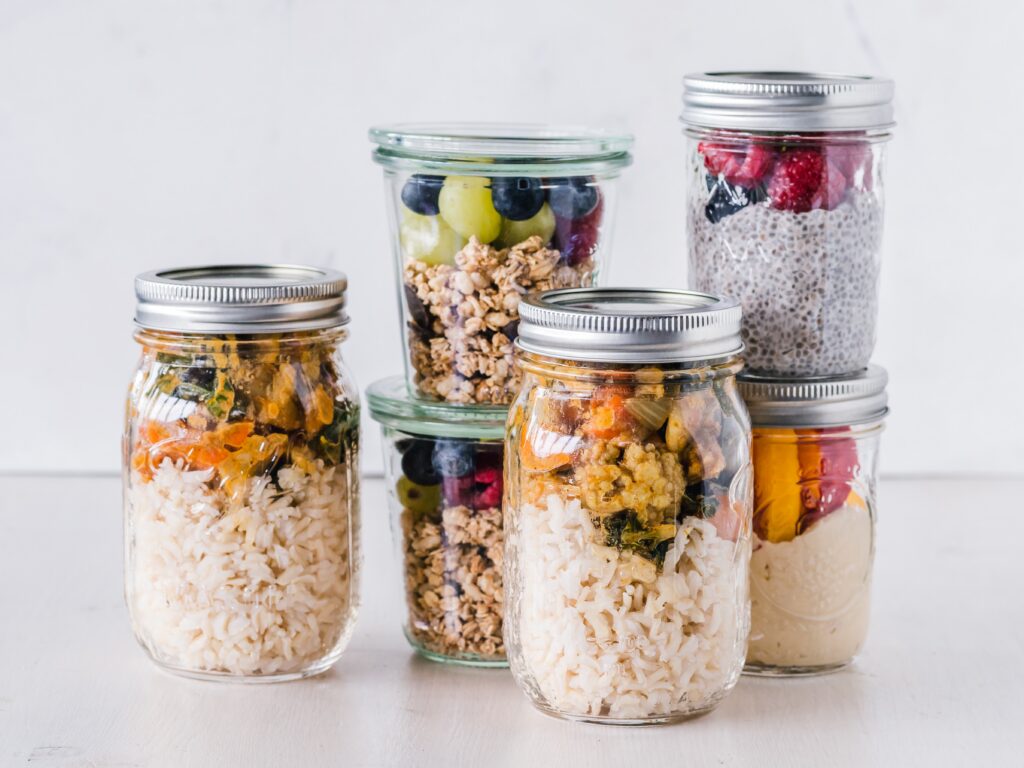
- Yogurt parfait jars prepped ahead
- Snack boxes (cheese, crackers, fruit, nuts)
- Roasted chickpeas + fruit
- Summer Fresh Vegetarian Ceviche
Summer Fresh Vegetarian Ceviche
Blueberry Snack Bites
No Bake Energy Bites
Snacking is not something you need to earn, justify, or optimize perfectly. It’s simply one way of caring for yourself to feel more nourished throughout your day. Some days snacks will feel practical and nourishing, other days comforting and convenient, and sometimes both at once. The goal isn’t to snack “perfectly.” It’s to stay connected to your body enough to notice hunger, respond with flexibility, and reduce the stress and shame that diet culture has attached to eating. Your body deserves consistent care, even in the small moments between meals.


leave a comment
share
share
share
share
share