


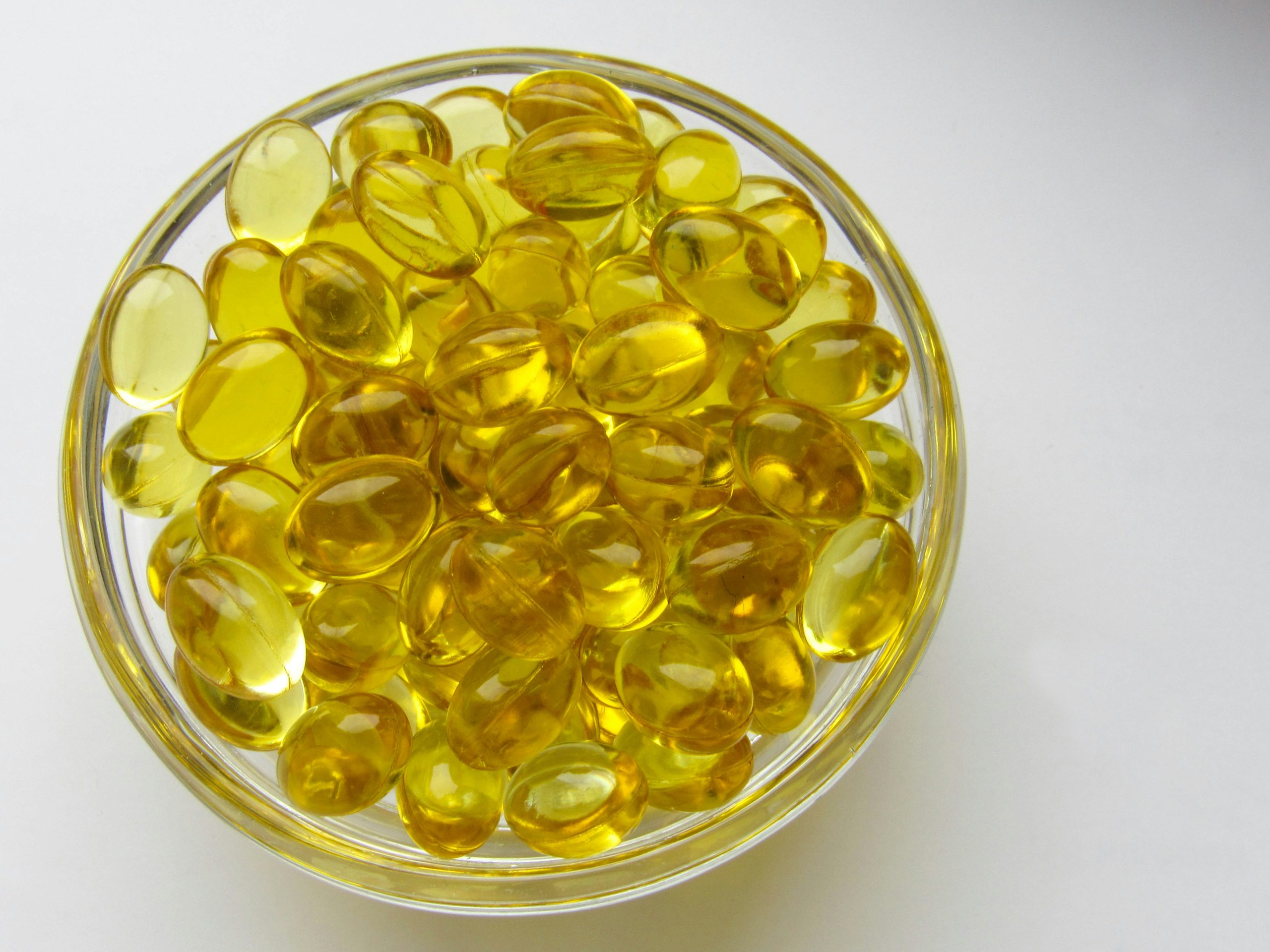
Vitamin D is often called the “sunshine vitamin”, however, many Canadians and Americans actually struggle to maintain adequate levels year-round, especially those living in northern climates.
What Is Vitamin D?
Vitamin D is a fat-soluble vitamin that can be obtained through sunlight exposure, food and dietary supplements. Unlike many vitamins, vitamin D also functions similarly to a hormone in the body and plays an important role in numerous physiological processes.
Due to vitamin D being fat-soluble, it is best absorbed when taken with a meal or snack containing some fat. Examples include nuts, avocado, dairy products, olive oil, eggs or nut butters.

Why Is Vitamin D Important?
Vitamin D’s most recognized role is helping the body absorb calcium and phosphorus, which are essential for maintaining strong bones and teeth. Insufficient vitamin D can lead to rickets in children, osteomalacia in adults and contribute to osteoporosis risk later in life.
Vitamin D also supports:
Although vitamin D has been studied extensively for potential roles in chronic diseases, the strongest evidence currently supports its importance for bone, muscle and overall health rather than treating or preventing specific chronic conditions.
How Much Vitamin D Do We Need?
According to Health Canada, the Recommended Dietary Allowance (RDA) for vitamin D is 600 IU (15 mcg) per day for most children, adolescents and adults up to age 70. For adults over 70 years of age, the recommendation increases to 800 IU (20 mcg) per day. The Tolerable Upper Intake Level (UL) for most individuals aged 9 years and older is 4,000 IU (100 mcg) per day.
| Age Group | RDA | UL |
| 0-6 months | 400 IU (10 mcg) | 1,000 IU |
| 7-12 months | 400 IU (10 mcg) | 1,500 IU |
| 1-3 years | 600 IU (15 mcg) | 2,500 IU |
| 4-8 years | 600 IU (15 mcg) | 3,000 IU |
| 9-70 years | 600 IU (15 mcg) | 4,000 IU |
| >70 years | 800 IU (20 mcg) | 4,000 IU |
Natural Food Sources Are Limited
One challenge with vitamin D is that very few foods naturally contain meaningful amounts.
Examples of natural sources are:
- Salmon
- Trout
- Tuna
- Mackerel
- Sardines
- Fish liver oils
- Egg yolks
- Beef liver

However, a lot of people actually obtain a significant portion of their vitamin D from fortified foods such as:
- Milk
- Fortified plant-based beverages
- Fortified yogurt
- Breakfast cereals
- Fortified orange juice
Because natural food sources are limited, supplementation is often necessary to meet daily requirements.
How Common Is Low Vitamin D?
Vitamin D inadequacy remains common across North America, especially among individuals living at northern latitudes, older adults, people who spend little time outdoors and those with darker skin pigmentation.
According to the Canadian Health Measures Survey, nearly 1 in 5 Canadians have vitamin D levels below the amount Health Canada considers adequate, suggesting that vitamin D inadequacy remains a concern for many Canadians (Statistics Canada, 2023).
Vitamin D deficiency also remains a significant global public health concern. A large systematic review and pooled analysis of nearly 8 million participants from 81 countries found that vitamin D deficiency is still highly prevalent worldwide, despite growing awareness of vitamin D’s importance for health (Cui et al., 2023).
Should You Take Vitamin D During the Summer?
Many people stop taking vitamin D once the weather becomes warmer. However, vitamin D supplementation could still be beneficial during summer months.
Many factors can reduce vitamin D production from sunlight:
- Indoor lifestyles
- Office work
- Sunscreen use
- Protective clothing
- Cloud cover
- Darker skin pigmentation
- Northern geographic location
For these reasons, many healthcare professionals recommend maintaining a consistent vitamin D routine year-round unless otherwise advised by a healthcare provider. Consistency can also make supplement habits easier to maintain.
What Forms of Vitamin D Supplements Are Available?
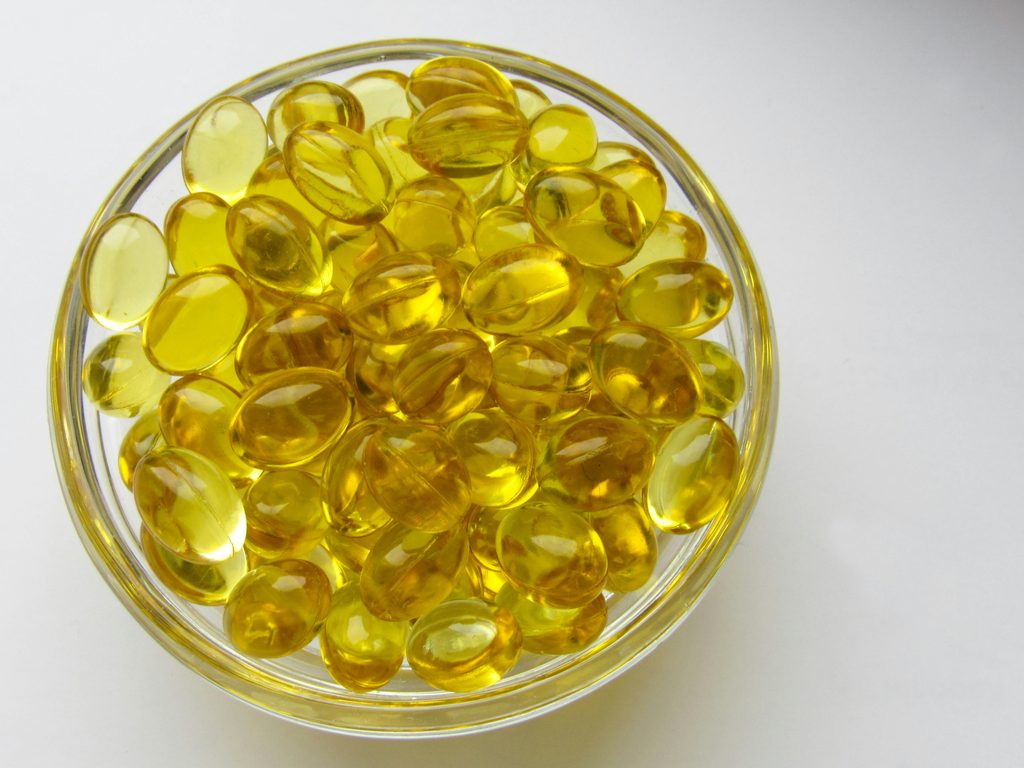
Vitamin D supplements are available in several forms:
- Liquid drops
- Spray formulations
- Capsules
- Softgels
- Tablets
- Gummies
The two primary forms are:
- Vitamin D3 (cholecalciferol)
- Vitamin D2 (ergocalciferol)
Both are absorbed well, although D3 is generally the form most commonly used in supplements.
Making Vitamin D Easier to Remember
One of my favourite practical strategies is habit stacking.
Habit stacking means attaching a new behaviour to an existing daily routine. Examples include:
- Taking vitamin D after brushing your teeth
- Taking it while making your morning coffee
- Taking it after your shower
- Keeping it beside your breakfast dishes
- Taking it with lunch every day
The simpler the routine, the more likely it is to become automatic over time.
What About Medication Interactions?
Compared with many supplements, vitamin D has relatively few medication interactions for most healthy individuals. However, some medications can affect vitamin D metabolism or absorption, including:
- Certain corticosteroids
- Weight-loss medications such as orlistat
- Some cholesterol-lowering bile acid sequestrants
- Certain anticonvulsants
For most people, vitamin D can be incorporated into a supplement routine without major concerns. If you take prescription medications or have a medical condition, consult your physician, pharmacist or registered dietitian before starting supplementation.
In the end…
Vitamin D is a fat-soluble vitamin that plays an essential role in bone health, muscle function and immune support. Because natural food sources are limited and low vitamin D status remains common in North America, supplementation is often a practical strategy to help meet requirements. Taking vitamin D consistently, even during the summer months, and pairing it with an established daily habit may make it easier to support long-term health.
Winter fashion tip: Pair your favourite sweater with a daily vitamin D supplement!
If you want to keep building your nutrition knowledge make sure to check out our blog, “ Need More Fiber?“, to learn how fiber is also a key nutrient that is totally underutilized.


leave a comment
share
share
share
share
share